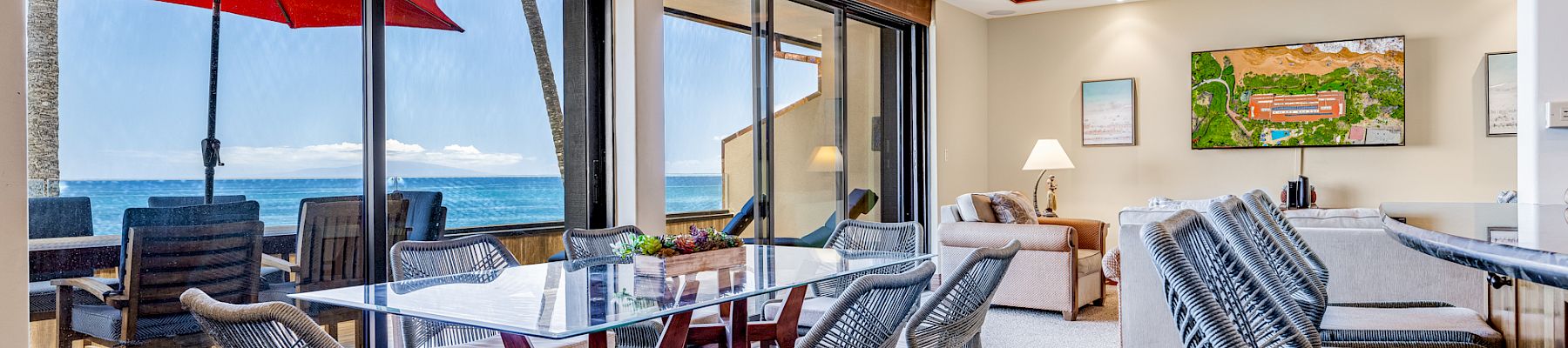
What Today's Luxury Traveler Expects from Vacation Rentals
Today's luxury guest expects hotel-grade service inside a residential setting—flawless photography, frictionless booking, anticipatory communication, premium amenities, and a real human to call when something goes wrong. For owners in Wailea, the Kohala Coast, Vail, Snowmass, Kukuiʻula, Wild Dunes, or Islamorada, meeting that bar consistently is the difference between a property that holds its rate and one that quietly slides down the comp set.
Table of Contents
- The Bar Has Moved
- Who You're Actually Hosting
- What They Expect Before They Book
- What They Expect at Arrival
- What They Expect During the Stay
- Self-Managed vs. Professionally Managed
- What This Looks Like in Your Market
- The Owner Takeaway
- FAQs
The Bar Has Moved
A decade ago, "luxury vacation rental" meant a great view and a well-stocked kitchen. Today, your guest is comparing your three-bedroom oceanfront villa to the Four Seasons two miles down the road—and they expect it to feel just as effortless.
That comparison isn't unfair. It's how the market works now. The same traveler weighing a residence at Mauna Lani or Wailea Point is also pricing a suite at Auberge, Rosewood, or Montage. If your listing photos look dated, if your check-in instructions arrive in a text message at 11 p.m. the night before arrival, or if the wine glasses don't match—they'll book the hotel.
This article is for owners who want to compete at the top of the market. We'll walk through what today's luxury guest expects across the booking-and-stay journey, where self-managed owners typically fall short, and what meeting that bar looks like in destinations like Wailea, the Kohala Coast, Snowmass, and Islamorada.
Who You're Actually Hosting
The modern luxury traveler usually falls into one of three profiles:
The multigenerational family booking 7–14 nights with strong opinions about kids' rooms, kitchen layout, and pool depth.
The high-earning couple taking a milestone trip and willing to pay a premium for privacy, design, and a frictionless experience.
The remote executive mixing work and leisure—needing strong Wi-Fi, a quiet office, and easy access to dining and outdoor recreation.
All three share one trait: they have access to information and alternatives, and they decide quickly. They scan photos in 30 seconds, skim reviews for patterns, and judge professionalism by your first message.
What They Expect Before They Book
The booking decision is largely made before the guest ever talks to you. Three things drive it.
1. Photography that sells the feeling, not just the rooms
Wide daylight shots are table stakes. What converts is a mix of golden-hour exteriors, lifestyle moments (coffee on the lānai, a board game on the deck), drone footage of the location, and detail shots that signal care—folded throws, fresh florals, an organized pantry. If your gallery leads with a flash-lit photo of a bedspread, you've lost the comparison.
2. Listing copy that answers real questions
Luxury guests don't want to ask whether the kitchen has a Nespresso machine or whether you have a Pack 'n Play. They want to read it. Specific, confident copy ("the primary suite faces Mauna Kea and catches sunrise") outperforms generic resort-speak ("relax in our beautiful tropical paradise") every time.
3. Presence on the platforms they actually use
Airbnb and Vrbo still matter, but the high end of the market increasingly books through curated platforms, direct-booking sites, and travel advisors. If your property lives on a single channel, you're missing a meaningful slice of demand—especially international.
Pro Tip — Refresh, don't redo. Update listing photography every 24–36 months, or anytime you've made a material upgrade. Buyers' eyes adapt fast; a "good enough" gallery from three years ago now reads as tired.
What They Expect at Arrival
Arrival is the moment where most rentals quietly disappoint. The guest has flown six hours with two kids and a stroller. They want one of two things: a real person to greet them, or instructions so clear and well-timed they don't have to think.
What "good" looks like in 2026:
Pre-arrival communication in a steady cadence: a warm note at booking, a logistics email a week out (driving directions, parking, gate codes, grocery delivery options), and a same-day text with arrival details.
A spotless home - not just clean, but staged. Lights on a timer, AC pre-cooled, music optional but appreciated.
A welcome touch that reflects the destination. On the Kohala Coast, locally made macadamia shortbread, fresh papaya, and cold water. In Vail or Snowmass, a cold-weather kit and a stocked pantry of cocoa and après essentials.
Stocked consumables - coffee, oil, salt, paper goods, beach towels in coastal markets, and a humidifier or boot dryer in mountain ones. Running out of toilet paper on day two of a high-rate booking is a small problem that costs a five-star review.
What They Expect During the Stay
The standard during the stay is simple: respond fast, fix it once, follow up.
Today's luxury guests don't want to feel like they're managing your property for you. If the dishwasher leaks, they want to send one message and have a tech on-site within hours. If they want a private chef on Thursday, they want a vetted recommendation in the same conversation—not a Google search.
Amenities matter more than owners often realize. The luxury market has standardized around:
High-thread-count linens and quality towels
A genuinely well-equipped kitchen—sharp knives, real cookware, espresso, wine fridge
Reliable, fast Wi-Fi (often two routers in larger homes)
A smart TV with major streaming services the guest can sign in to
Outdoor living that's actually usable: shaded seating, working grill, evening lighting
In Hawaiʻi, reef-safe sunscreen, beach gear, and snorkel sets; in mountain markets, boot dryers and hot-tub care that just works
Booking and communication expectations
Luxury travelers want fast answers to pre-stay questions, a clear single point of contact, and a real voice when something goes sideways. Automated messages are fine for confirmations—they shouldn't be your whole strategy. The quiet shift in luxury hospitality is that guests have stopped tolerating friction. Anything that makes them feel like they're talking to a system costs you rebookings and referrals.
Pro Tip — Build an "Owner Standard." Write down what your home delivers on every stay (linens, stocked items, response times, maintenance cadence) and audit it quarterly. The properties that hold their rate in soft seasons are the ones whose standards don't drift.
Self-Managed vs. Professionally Managed
| Dimension | Self-Managed | Professionally Managed |
|---|---|---|
| Listing photography | One-time pro shoot, then static | Refreshed on a cycle with seasonal updates |
| Booking channels | Usually 1–2 platforms | Multi-channel + direct booking + advisor network |
| Pre-arrival communication | Ad hoc, owner-dependent | Standardized cadence, same-day response |
| On-property response time | Hours to days | Minutes to hours, on-island/on-mountain team |
| Amenity standards | Drift over time | Audited and replenished on schedule |
| Maintenance | Reactive | Preventive + reactive with vetted vendors |
| Pricing strategy | Static or seasonal | Dynamic, demand-aware, market-benchmarked |
| Owner time required | Often 10-20 hours/week | Monthly review, not daily operations |
This isn't a knock on self-managing owners. Plenty run beautiful homes themselves. The honest question is whether you want to keep doing that—and whether your property is competing at the level your asset deserves.
Curious how your property stacks up against the current market? Request a complimentary revenue review. We'll look at pricing, presentation, and channel mix and tell you, honestly, where the opportunities are.
What This Looks Like in Your Market
Luxury expectations are universal. How you meet them is local.
Hawaiʻi Island - Kohala Coast: Guests choosing Waikoloa Beach Resort, Mauna Lani, Puakō, or Mauna Kea Resort expect resort-grade amenity access (golf, beach club, spa) paired with the privacy of a residence. They also notice when a home reflects place—koa accents, locally sourced welcome gifts, and staff who can speak knowledgeably about the area without performing it.
Maui - Wailea, Kaʻanapali, Lahaina: In Wailea (Wailea Beach Villas, Polo Beach Club, Grand Champions, Hoʻolei, Makena Surf, Ekahi, Ekolu, Elua, and Wailea Point), guests pay for proximity to beach and golf with a polished residential feel. In Kaʻanapali (including Kaʻanapali Aliʻi) and Lahaina (Puʻunoa Beach Estates), they expect the home to function as a true multigenerational base.
Kauai - Kukuiʻula: Expectation here leans toward quiet luxury and seamless access to the Kukuiʻula Club. Guests want a residence that feels like a private home, not a unit.
Vail and Snowmass: Mountain luxury has its own rhythm. In Vail (Westwind, Vail 21, Landmark, Enzian, Christiania Lodge, Bridge Street Lodge, Plaza Lodge, and others) and Snowmass (Capital Peak, Stonebridge Inn, Top of the Village, Villas at Snowmass Club, Willows), guests expect ski-in/ski-out logistics handled flawlessly—boot warmers on, hot tub ready, groceries delivered, lift tickets arranged.
Isle of Palms, SC - Wild Dunes: Coastal Southeast guests want effortless beach access, golf and tennis coordination, and a home that handles humidity gracefully year-round.
Islamorada, Florida Keys: Keys guests come for fishing charters, sunsets, and a slower pace. They expect easy boat access, cleaned gear, and a host who can recommend the right captain for the right species.
In Hawaiʻi especially, homes that earn the best reviews are the ones where guests feel welcomed by the place itself, not just by the host. That means correct names, real local recommendations, and quiet respect for the community the home sits in. Travelers notice. So do neighbors.
The Owner Takeaway
If you've read this far, you probably already sense whether your property is meeting today's bar. Three honest questions:
When did I last refresh photography, copy, and amenities? If you can't remember, it's time.
How quickly can a guest reach a real human at 9 p.m. on a Saturday? That's your service standard, whether you've defined it or not.
Am I pricing to the market, or to last year? Demand patterns have shifted in nearly every one of our markets in the past 24 months.
You don't need to overhaul everything at once. You need a system—and either the time to run it yourself or the right partner to run it for you.
CoralTree Residence Collection manages homes in the destinations most likely to attract today's luxury traveler: the Kohala Coast on Hawaiʻi Island; Wailea, Kaʻanapali, and Lahaina on Maui; Kukuiʻula on Kauai; Vail; Snowmass; Isle of Palms (Wild Dunes); and Islamorada in the Florida Keys. We bring resort-grade standards to private residences—because that's the bar your guest is comparing you to.
FAQs
What do luxury travelers expect from a vacation rental today? Hotel-grade service inside a residential setting—polished photography, fast and human communication, premium amenities, anticipatory pre-arrival logistics, and quick resolution if anything breaks.
How is a luxury vacation rental different from a hotel stay? The space, privacy, and kitchen are residential. The service expectation is hotel-tier. Guests want both: room to spread out, plus the assurance someone professional is behind the operation.
What amenities should a high-end vacation rental have? At minimum: high-quality linens and towels, a well-equipped kitchen (sharp knives, espresso, wine storage), fast and reliable Wi-Fi, smart TVs with streaming, usable outdoor space, and destination-appropriate gear (beach kits, ski gear support, etc.).
How often should I update my vacation rental photos and listing? Every 24–36 months at minimum, and any time you make material updates. Buyers' eyes adapt quickly and older photography starts to read as tired even when the home is still beautiful.
Do luxury travelers book directly or through Airbnb and Vrbo? Both. The high end of the market increasingly mixes direct booking, curated platforms, and travel advisors with the major listing sites. Single-channel exposure leaves money on the table.
What's the difference between self-managing and hiring a luxury property manager? Self-managing means you run pricing, channels, communication, cleaning, maintenance, and guest experience yourself. Professional management runs all of that as a system, with on-the-ground staff, vetted vendors, and dynamic pricing.
How do I price my vacation rental for the luxury market? Benchmark against comparable homes in your specific resort or neighborhood, use dynamic pricing that responds to demand, and revisit at least monthly. Static, calendar-year pricing leaves significant revenue uncollected.
What does white-glove vacation rental management actually include? Listing creation and refresh, multi-channel distribution, dynamic pricing, guest communication, pre-arrival logistics, housekeeping, maintenance, owner reporting, and a single point of contact for both you and your guests.