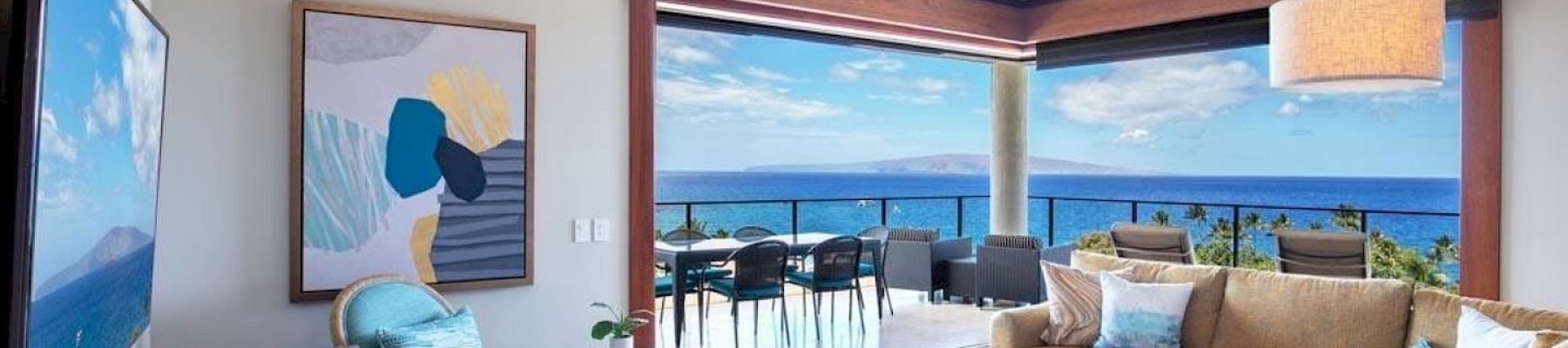
The upgrades that move revenue are rarely the expensive ones. Improve how guests sleep, how the home is lit, how the outdoor space functions, how easy arrival day is, and the quality of the last five percent — linens, coffee, gear. Do those five before you touch a kitchen. And if the home is already excellent and still underperforming, the problem isn’t the home. It’s pricing, photography, and distribution.
Table of contents
- Start with the upgrades guests can see
- 1. Fix how people sleep
- 2. Light the home the way it’s actually used
- 3. Make the outdoor space the best room in the house
- 4. Take the friction out of arrival day
- 5. Upgrade the last five percent
- Cost versus value: a quick comparison
- When upgrades aren’t the problem
Start with the upgrades guests can see
Here’s a pattern we see across every market we work in, from Mauna Lani to Snowmass Village: an owner looks at three months of soft bookings, decides it’s time to invest in the home, and starts with the biggest line item on the list. New quartz counters. A different sofa. A television two sizes up.
Those are all worth doing eventually. They’re just rarely the place to start, which is why the season after a major project often looks a lot like the season before it.
The reason is straightforward. A guest scrolling listings on a phone can’t see your counters. What they can see is the photography, the price for their week, and reviews that say the beds were comfortable and check-in was easy. Upgrades that show up in those three places tend to pay for themselves fastest — and they’re what funds the kitchen later.
So the question isn’t “what should I upgrade?” It’s “what will a guest actually notice, mention in a review, and pay for?” That list is shorter and cheaper than most owners expect.
Owner Scenario A Waikōloa Beach Resort owner planned a $40,000 kitchen refresh after two flat seasons. Instead, she started with mattresses in two bedrooms, replaced every bulb in the home, added shade to the lānai, and hired a photographer for a re-shoot. The kitchen is still on the list. It’s just no longer urgent.
1. Fix how people sleep
If you do one thing from this list, do this one.
Sleep is the single most reviewed element of a vacation rental, and it’s the one guests describe in the most emotional language. “We slept so well” is worth more to your listing than any finish upgrade you can buy. The reverse is also true: one bad mattress in a five-bedroom home can pull down the review that governs your rate for the next year.
Work through it in this order:
- Mattresses. Replace anything over roughly eight years old, anything that sags visibly, and anything you personally avoid sleeping on. Medium-firm suits the widest range of guests.
- Bedding weight. Hotel-weight white linens, layered so guests can adjust. In Hawaiʻi and the Keys that means a lighter duvet or a coverlet plus a folded blanket, not a heavy comforter guests kick off at 2 a.m.
- Darkness. Blackout shades in every bedroom. This is the most under-installed, highest-impact item in resort rentals — especially east-facing bedrooms on the Kohala Coast, where the sun arrives early and without negotiation.
- Quiet. Felt pads on doors, a fixed rattling vent, a fan that doesn’t tick.
- Light to read by. A real bedside lamp with a real switch, on both sides of the bed.
None of this is expensive relative to what it protects, which is your review average.
Pro Tip Buy bedding in threes, not twos. Three full sets per bed means a same-day turn is never dependent on laundry finishing, and it extends the life of every set. Owners who run two sets end up replacing linens twice as often and paying rush laundry fees on back-to-back stays.
2. Light the home the way it’s actually used
Most vacation homes are lit for daytime and photographed for daytime, which is the one time of day the lighting doesn’t matter. Guests experience your home at dusk, after a beach day or a day on the mountain. That’s the moment the home either feels warm or feels like a rental.
Three inexpensive moves:
Change the bulbs. One color temperature throughout, in the 2700K range. Nothing makes a beautiful home feel institutional faster than a mix of cool-white and warm-white bulbs in the same room.
Add lamps. Overhead lighting alone flattens a space. Two or three table and floor lamps per living area change the entire feel of a room for a few hundred dollars.
Put the main areas on dimmers. Cheap, fast, and it makes the same room work for morning coffee and for a long dinner on the lānai.
Then re-shoot the home
Once the lighting is right, re-photograph. This is the highest-leverage spend on this entire list and most owners defer it for years.
Guests decide in seconds, on a phone, in a grid of thumbnails next to twelve other homes. Professional photography — including a dusk exterior and a drone frame showing your position relative to the water, the golf course, or the mountain — is often the difference between a home being considered and being scrolled past. If your photos are more than three years old, or were taken on an overcast day, or were taken before you changed the furniture, they’re costing you bookings right now.
3. Make the outdoor space the best room in the house
In every market we manage, the outdoor space is why the guest booked. It’s also, routinely, the least considered part of the home.
At Puakō, Mauna Kea Resort, or Wailea, guests spend their evenings outside. In Islamorada, the dock and the outdoor shower matter more than the second guest bath. On Isle of Palms, it’s the porch. Give those spaces the same attention you’d give a living room:
- Shade that works after 2 p.m. An umbrella that only covers the table at noon isn’t shade. A larger cantilever umbrella or a shade sail changes how long guests stay outside — and how they describe the home afterward.
- Comfortable seating for the full occupancy of the home. If the home sleeps ten and the lānai seats six, the lānai is undersized.
- Lighting. String lights or low-voltage path lighting extends the usable hours of the space at very low cost.
- A grill that’s genuinely clean and genuinely works. This shows up in reviews constantly, in both directions.
A note specific to oceanfront homes: salt air is relentless. Hinges, latches, screens, outdoor furniture frames, and light fixtures corrode on a schedule, and deferred maintenance out here reads as neglect long before it becomes a repair. Budget for replacement, not just cleaning.
In the mountains, it’s the entry that does this work
At Vail and Snowmass, the equivalent upgrade is gear handling. Boot dryers, a bench that seats four, hooks that hold wet outerwear, secure ski storage, and a humidifier for the altitude. Guests arriving at Landmark at Vail or Top of the Village after a full day judge the home by how easy it is to get out of wet gear — not by the backsplash.
Owner Scenario A Snowmass owner added two boot dryers, a six-hook entry rail, and a humidifier in the primary bedroom for under $1,000. The comments about the home being “thought through” started that season and haven’t stopped.
Request a complimentary revenue review →
We’ll look at your current rate, occupancy, and listing quality, and tell you which upgrades would actually change your numbers — and which wouldn’t.
4. Take the friction out of arrival day
Arrival is where guest satisfaction is won or lost, and almost none of it costs much to fix.
Keyless entry. Removes lockbox confusion, late-arrival calls, and the security risk of a code that’s been shared for six years. It also gives whoever manages the home a record of who entered and when.
Wi-Fi that actually reaches the lānai. Guests increasingly work part of their trip. A mesh system in a large or multi-level home is a small spend that prevents a specific and very common complaint.
A short, current welcome guide. Not a binder. One page: Wi-Fi, gate and beach access, air conditioning, trash days, and three restaurants worth the drive. Guests read one page. They don’t read forty.
Streaming that’s already signed in. Small thing. Mentioned in reviews constantly.
Pro Tip Walk your own home as a first-time guest, at night, with luggage. Park where they’d park. Find the door with the light off. Try the code. Look for the light switch. Most owners find three fixable problems in the first ten minutes, and none of them cost more than a hundred dollars.
5. Upgrade the last five percent
This is where a good home becomes a home guests rebook.
- Towels. Bath sheets, not bath towels. Enough for full occupancy plus a set of dedicated beach or pool towels in a different color so they don’t disappear.
- The coffee setup. Whatever the market expects, done properly, with beans that aren’t three years old. In Hawaiʻi, stocking Kona or Kaʻū coffee is a small cost that reads as genuine local hospitality.
- Kitchen basics that work. Sharp knives, a full set of matching glassware, a functioning corkscrew. Guests notice absence, not abundance.
- Market-specific gear. Beach chairs, a cooler, and reef-safe sunscreen in Hawaiʻi and the Keys. Rod holders and a rinse station in Islamorada. Sleds and a first-aid kit in the mountains.
None of this is luxury in the marketing sense. It’s the difference between a home that functions and a home that anticipates.
Doing it pono
If you’re furnishing or refreshing a home in Hawaiʻi, consider sourcing artwork, textiles, and lauhala pieces from local artists rather than importing a generic tropical package. It costs about the same, supports the community your guests came to visit, and it tells them something true about where they are. The homes that feel most authentically of a place are almost never the ones that decorated hardest.
| Upgrade | Relative Cost | What is Changes | Typical Payback |
| Mattress & Bedding | Moderate | Review Scores & Repeat Stays | 1-2 seasons |
| Lighting & Bulbs | Low | Percieved Quality, Photo Quality | Under 1 season |
| Professional Reshoot | Low | Click-Through, Conversion Rate | Typically quickest on the list |
| Outdoor Shade & Seating | Moderate | Length of Stay Satification, Reviews | 1-2 seasons |
| Keyless Entry & Mesh WiFi | Low | Fewer Service Calls & Complaints | 1 seasons |
| Kitchen or Bath Remodel | High | Modest Listing Appeal | 5 seasons |
The pattern is consistent: the cheapest items on the list return fastest, and the most expensive item returns slowest.
When upgrades aren’t the problem
Here’s the uncomfortable version. Plenty of homes we’re asked to look at are already excellent — beautifully furnished, well maintained, genuinely lovely — and they’re still underperforming by a wide margin.
When that happens, the constraint isn’t the home. It’s usually one of three things:
- Pricing. A calendar priced once in January can’t respond to a slow shoulder week, a compression event, or a competitor dropping rate. Rates need to move weekly, and in high season, daily.
- Distribution. A home listed on one channel is invisible to most of the people who would book it. Direct booking, brand distribution, travel advisors, and the major platforms each reach different guests.
- Demand generation. Past guests are the cheapest bookings you’ll ever get, and most self-managed homes never contact them again.
This is the practical difference between a budget manager and a full-service one. A budget manager lists the home and cleans it. A full-service team has in-house revenue managers moving your rate against real market data, a marketing team running email to past guests and paid campaigns into your market, a reservations team answering inquiries in minutes rather than days, and housekeeping and maintenance staff who are employees — people who know your home, not a rotating vendor list.
One more thing worth checking before you spend: short-term rental rules and association requirements change, and they vary considerably between counties and between resort communities. Confirm current requirements with your county and your association before starting any work beyond cosmetic.
Start with the five upgrades above. They’re the ones that pay for themselves. If you’d like a second opinion on which ones your home actually needs — and an honest read on what your calendar should be earning — we’re glad to take a look.
Schedule a 20-minute consult →
No pressure and no presentation. Twenty minutes on your home, your market, and what’s realistic.